admin
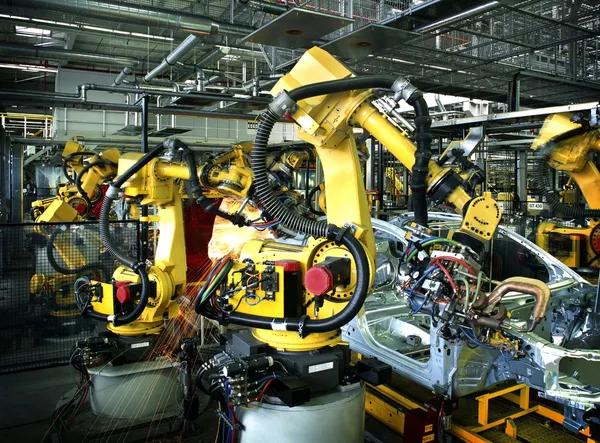
The future of electric vehicles (EVs) and technology is poised to transform the automotive industry and redefine transportation as we know it. As concerns about climate change intensify and governments worldwide implement stricter emissions regulations, the shift towards electric mobility is accelerating rapidly. Innovations in battery technology, charging infrastructure, autonomous driving, and smart connectivity are driving this transformation, promising not only cleaner but also smarter and more efficient vehicles. One of the most critical factors shaping the future of EVs is advancements in battery technology. Current lithium-ion batteries have seen significant improvements in energy density, cost reduction, and charging speed over the past decade. However, researchers are now focusing on importantpodcast.com next-generation batteries such as solid-state batteries that offer higher capacity, enhanced safety, longer lifespan, and faster recharge times. elliescoworking.com These developments will likely make EVs more affordable and practical for mass adoption by addressing range anxiety-the fear of running out of charge during a trip. Charging infrastructure is another area experiencing rapid growth. The expansion of fast-charging networks across urban centers and highways is making long-distance travel feasible for EV owners. Moreover, wireless charging technologies handlebarsfoodandsaloon.com are being developed to enable seamless recharging without cables or plugs. Integrating renewable energy sources into charging stations will further reduce carbon footprints associated with electricity generation. Autonomous driving technology is set to complement electric mobility by enhancing safety and convenience on roads. Many leading automakers are investing heavily in self-driving katrinaaonson.com systems that utilize artificial intelligence (AI), sensors, cameras, radar, and lidar to navigate complex traffic environments dotnetpowertools.com autonomously. When combined with electric namastehenry.com powertrains optimized for smooth acceleration control intrinsic to autonomous operation, these vehicles silktexlimited.com could revolutionize personal transport while reducing accidents caused by human teamgroupchat.com error. Smart connectivity features embedded within EVs will create an interconnected ecosystem where cars communicate with each other (vehicle-to-vehicle communication) as well as with traffic management systems (vehicle-to-infrastructure communication). This integration enables real-time traffic updates optimizing route planning to save time and energy consumption while obsessionist.net improving overall road efficiency. Furthermore, bjornandthesun.com emerging business models such as vehicle-to-grid (V2G) technology allow parked EVs to feed electricity back into the grid during peak demand periods-turning them into mobile energy storage units that support grid stability alongside their primary role as transportation tools. In conclusion, the future landscape of electric vehicles intertwined with cutting-edge technological advancements promises a sustainable transportation paradigm characterized by environmental responsibility coupled with enhanced user experience through automation and connectivity. As research continues unabated across multiple disciplines related to materials science engineering software development urban planning policy frameworks consumer behavior adaptation it becomes increasingly evident that widespread adoption of EVs will be central not only in combating climate change but also in ushering an era marked by intelligent transport solutions tailored for modern societal needs.